
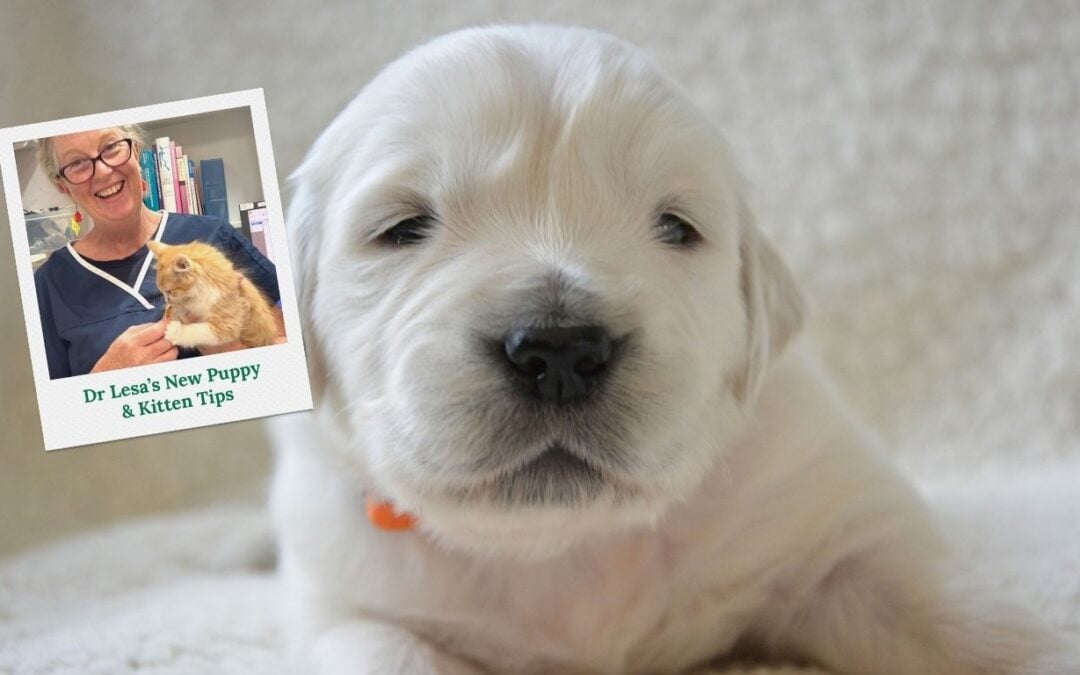
Spring is a popular time for welcoming a new puppy or kitten into the family. If you’re one of the many local families preparing for a new four-legged arrival, Dr Lesa Potten from Chatswood Vet Clinic has put together some practical advice to help new pet parents prepare for their arrival and navigate those early weeks with confidence.
Prepare before they arrive
A little preparation can make the transition much easier for both you and your new pet.
For puppies, have food and water bowls, appropriate puppy food, a comfortable bed, a collar and ID tag, a lead and harness, toys and plenty of cleaning supplies ready for those inevitable toilet-training accidents.
For kittens, you’ll need food and water bowls, appropriate kitten food, a comfortable sleeping area, toys, a litter tray and litter, a scratching post and a secure carrier for travelling.
For both, create a safe space where your new pet can retreat and sleep undisturbed. It’s also important to puppy or kitten-proof your home by removing anything they could chew, swallow or knock over and checking for potential hazards including cleaning materials and poisonous plants.
Don’t underestimate the importance of sleep
One thing that can surprise new owners is just how much puppies and kittens sleep.
Young pets are growing and developing rapidly, so plenty of sleep is completely normal and essential. They may spend much of their day sleeping, with shorter periods of eating, playing, exploring and learning in between.
It can be tempting to constantly entertain a new pet, but allowing them plenty of quiet time and uninterrupted sleep is just as important as exercise and play.
Understanding vaccinations
Vaccinations are an important part of protecting your puppy or kitten during their early months.
Puppies and kittens will usually require a course of vaccinations, with the timing depending on their age, previous vaccination history and individual circumstances. Your vet will recommend the appropriate schedule and advise when your pet is adequately protected.
Your first vet visit is about much more than vaccinations, however. It’s an opportunity to have your new pet thoroughly checked, discuss feeding, parasite prevention, growth and development, and ask all those questions that inevitably come with being a new pet parent.
Socialisation is a big part of growing up
The early months are also a particularly important time for behavioural development.
For puppies, once your vet has advised that it is safe, gradually introduce them to different people, environments, sounds and experiences. Positive, controlled experiences can help build confidence and teach your puppy that the world is a safe and enjoyable place.
Kittens also benefit from gentle handling and positive experiences with people, household sounds and their environment.
The key is to take things at your pet’s pace. New experiences should be positive and gradual, if your puppy or kitten appears frightened or overwhelmed, give them time and space rather than forcing the interaction.
Start good habits early
Those first few months are the perfect time to establish positive routines around handling and grooming.
Gently getting your puppy or kitten used to having their paws, ears, mouth and body handled can make future grooming, nail clipping, dental care and veterinary examinations much easier.
It’s also important to establish appropriate parasite prevention from an early age. Your vet can recommend the right products and schedule based on your pet’s age, lifestyle and individual needs.
Feeding your growing puppy or kitten
Puppies and kittens have different nutritional requirements from adult pets, so choosing an appropriate, complete diet for their age and stage of development is important.
It’s not simply a case of feeding more because they are growing. Appropriate nutrition and portion control help support healthy development, and your vet can provide advice on the right food, feeding frequency and monitoring your pet’s growth.
A little preparation goes a long way
There is a lot to think about when bringing a puppy or kitten home, but you don’t have to navigate it alone.
A first veterinary health check gives you the opportunity to establish a baseline for your new pet’s health and get professional advice on the things that matter most during those first few months.
Follow Chatswood Vet Clinic on social media for more tips from Dr Lesa Potten on preparing for your new pet, vaccinations, feeding, sleep, socialisation, behaviour, preventative care and everything else you need to know about giving your puppy or kitten the best.